AI is transforming HR - faster than companies can keep up
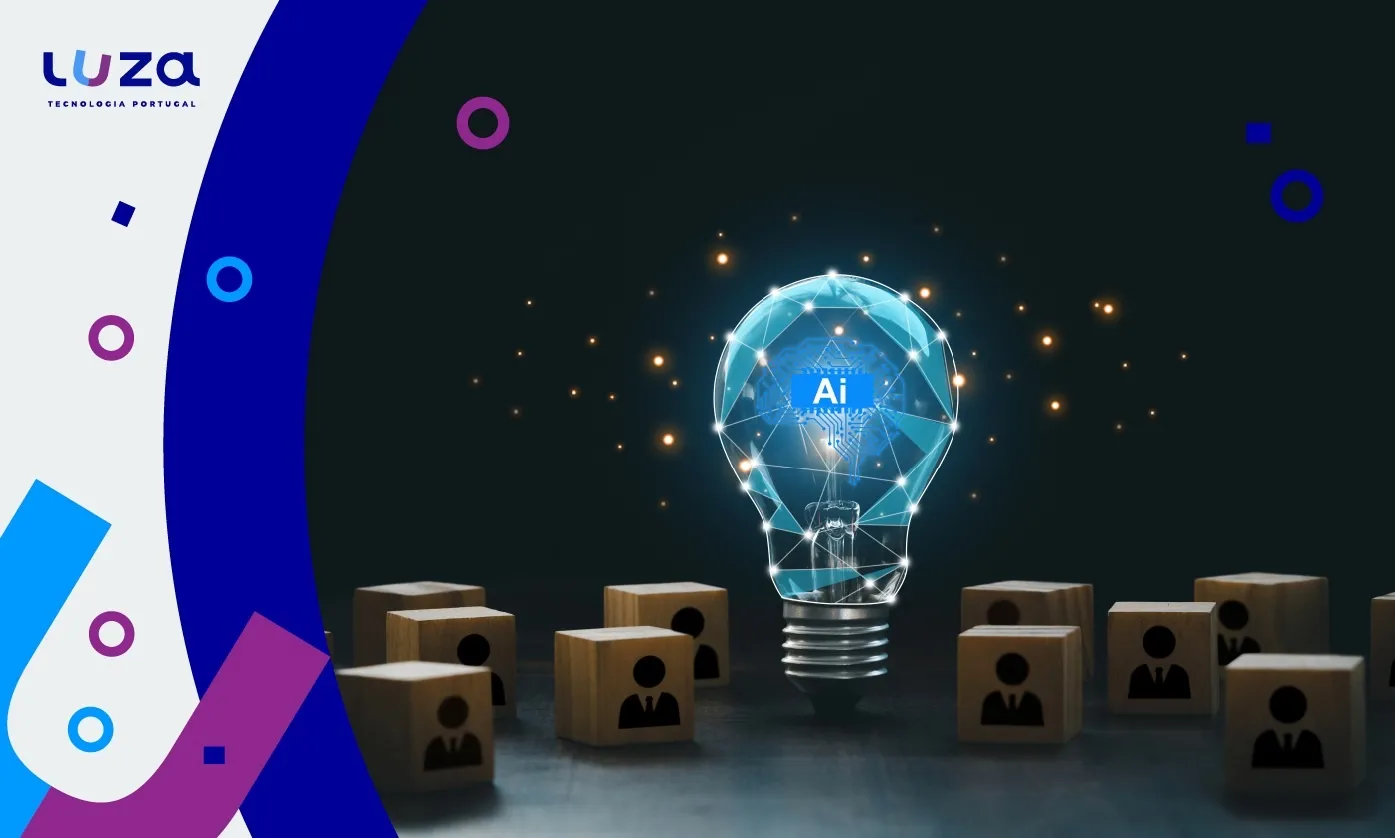
In recent years, Artificial Intelligence (AI) has become one of the most talked-about topics in the tech industry. As expected, we started 2026 with this technology top of mind, learning about emerging trends and new ways to implement AI tools in our daily lives and work.
As a result of this digital acceleration, AI is also reshaping HR, but unlike global narratives predicting job extinction, the Portuguese market is seeing transformation - not replacement. AI is automating routine work, elevating strategic roles, and forcing HR teams to adapt quickly to new governance, skills, and compliance realities.
In the Portuguese HR industry, AI is making its biggest impact in four distinctive areas:
1. Automating administrative work
AI is automating up to 46% of administrative HR tasks in Portugal, such as data entry, payroll, ticket management, and benefits support, freeing HR teams to focus on more strategic functions, including culture, analytics, and workforce design.
2. Recruitment: faster screening, better fit
Portugal’s competitive talent landscape makes hiring challenging, and AI is beginning to close this gap. Tools that automate resumé’s screening, improve time‑to‑hire, and enable predictive analytics are gaining traction as companies compete for international talent attracted to Portugal’s remote‑work ecosystem. Overall, AI tools help cut screening time, support fairer, data‑based decisions, and improve candidate matching.
3. Predictive analytics & talent intelligence
AI‑powered flight‑risk prediction and internal mobility analytics are becoming essential in Portugal as retention pressures rise. These tools help HR anticipate turnover and design targeted retention strategies, which reveals to be crucial in sectors facing talent scarcity like tech, engineering, and healthcare.
4. New HR roles are emerging
As automation grows, the Portuguese HR market is seeing rising demand for specific roles, such as:
- People analytics specialists
- AI governance and ethics leads
- Digital employee experience managers
- AI‑ops and HR‑tech integration roles
These new HR roles reflect a profound shift in the Portuguese skills landscape, where digital capabilities and AI literacy are becoming essential across almost every industry.
To summarize, AI is reshaping HR worldwide (including Portugal), not by eliminating jobs, but by transforming them. HR leaders who embrace AI with strong governance, smart upskilling, and targeted pilots will be better positioned to build agile, competitive, people‑centered organizations. In the long term, this will most definitely contribute to more focused and efficient teams, helping companies grow their business.
Sources:
- https://www.nucamp.co/blog/coding-bootcamp-portugal-prt-hr-will-ai-replace-hrjobs-in-portugal-heres-what-to-do-in-2025
- https://completeaitraining.com/news/hr-in-portugal-2025-automate-the-routine-staygdpr/
- https://www.gigroupholding.com/portugal/insights/it-global-hr-trends-2025/
- https://hrportugal.sapo.pt/a-ia-nao-vai-acabar-com-estas-funcoes-em-portugal-masvai-mudar-a-sua-natureza-garante-estudo/
by Rute Gomes, People & Culture Management at Luza